Sea Turtles Make History in Huntington Beach: A Remarkable First for Orange County in 2026
Times Real Estate CA October 12, 2026
Times Real Estate CA October 12, 2026
Orange County's beaches are famous for their surf, sunsets and coastal wildlife. But in September 2026, something extraordinary happened along our coastline that even marine biologists weren't expecting.
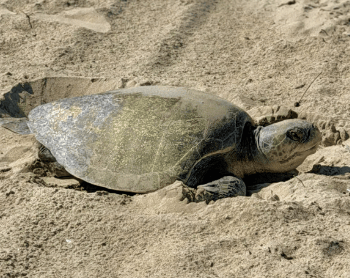
Two olive ridley sea turtles came ashore in Orange County and laid eggs, marking the first documented natural sea turtle nesting on the United States West Coast.
The historic discovery began near Seal Beach and continued just days later near the Huntington Beach Pier.
What started as an unusual sighting quickly became a remarkable wildlife conservation effort, bringing together scientists, lifeguards, local officials and the community.
And the story didn't end on the beach.
NOAA Fisheries — First-Ever Nesting Olive Ridley Sea Turtles in California — the strongest primary source for the historic discovery, protection efforts and public guidance - READ MORE
On September 16, 2026, an olive ridley sea turtle emerged from the ocean near Surfside in Seal Beach, dug a nest in the sand and deposited her eggs before returning to the water.
Three days later, on September 19, another female olive ridley was observed nesting near the Huntington Beach Pier, approximately eight miles away.
According to the National Oceanic and Atmospheric Administration (NOAA), these were the first confirmed natural sea turtle nests ever recorded on the U.S. West Coast.
The discovery was especially surprising because olive ridley sea turtles typically nest in warmer tropical regions, including Mexico and Central America.
Although sea turtles have occasionally been observed in Southern California waters, documented nesting this far north was unprecedented.
Initially, wildlife officials protected both nesting areas with fencing, signage and monitoring.
But when forecasts warned of dangerous surf and potential coastal flooding, scientists faced an important decision.
Leaving the eggs buried in the sand could expose them to erosion and powerful waves.
On September 25, a coordinated team of wildlife specialists carefully removed more than 200 eggs from the two nesting sites and transferred them to the Aquarium of the Pacific in Long Beach.
There, the eggs were placed in a protected incubation environment under the supervision of aquarium staff and marine scientists.
Olive ridley eggs generally take approximately 45–60 days to hatch.
If the eggs hatch successfully, officials plan to return the young turtles to their original nesting beaches so they can make their journey across the sand and into the Pacific Ocean.
As of this article's publication, successful hatching has not yet been confirmed.
Daily Pilot — Sea Turtle Eggs Moved Due to Swell Concerns — useful local reporting about the transfer to the Aquarium of the Pacific - READ ARTICLE HERE
Olive ridley sea turtles are among the smallest sea turtle species, typically growing to about three feet in length and weighing up to 100 pounds.
They are known for their olive-colored shells and remarkable long-distance ocean migrations.
Although olive ridleys are found throughout tropical waters, nesting along California's coastline has never previously been documented.
Scientists are now considering what this unusual event might reveal about changing ocean conditions.
Warmer ocean temperatures and shifting marine habitats may influence where certain species travel and reproduce. However, researchers have not established whether these two nests represent an isolated event or the beginning of a longer-term change.
For marine scientists, the discovery presents an extraordinary opportunity to learn more about these protected animals and their behavior.
For Orange County residents, it's a reminder of the remarkable wildlife that shares our coastline.
One of the most encouraging parts of this story has been the community response.
The rescue and monitoring efforts involved NOAA Fisheries, the U.S. Fish and Wildlife Service, the California Department of Fish and Wildlife, the Aquarium of the Pacific, local lifeguards, the cities of Huntington Beach and Seal Beach, and other community partners.
Their coordinated response helped protect the eggs during a period of potentially dangerous coastal weather.
Residents and beachgoers can help protect sea turtles by:
Anyone who discovers a stranded sea turtle can contact NOAA Fisheries' West Coast Stranding Hotline at 562-506-4315.
Even small actions can help protect vulnerable marine wildlife.
From the Bolsa Chica wetlands and Huntington Beach's expansive shoreline to Newport Harbor and Crystal Cove, coastal Orange County offers an extraordinary connection to nature.
We share these communities with migratory birds, dolphins, sea lions and countless other marine species.
Now, we can add a historic sea turtle nesting event to the stories that make our coastline so special.
At Times Real Estate CA, we love sharing the people, places and events that make Orange County an exceptional place to call home.
As a Newport Beach-based boutique real estate company serving Huntington Beach and communities throughout coastal Orange County, we believe local knowledge goes far beyond real estate.
It's about understanding and appreciating the communities we live in, the natural environment around us and the people working to protect it.
We're grateful to the scientists, lifeguards, wildlife organizations and community members who helped make this extraordinary conservation effort possible.
And like so many Orange County residents, we'll be watching and hoping these remarkable little turtles successfully make their journey into the Pacific.
What an incredible moment in Huntington Beach history!
Stay up to date on the latest real estate trends.

The Advantage of Off-Market Real Estate

Halloween in Orange County 2026: Best Neighborhoods, Family Activities & Spooky Traditions

October 2026 - Orange County Market Update

Is Fall 2026 a Good Time to Sell Your Home in Orange County?

Selling a Waterfront Home in Newport Beach: What Owners Need to Know
September 2026 - Orange County Market Update

2026: Times Real Estate CA Voted #1 Real Estate Company in Orange County
You have questions and we are excited to answer them!